Pumpkin seeds, which are edible seeds found in pumpkins and several other varieties of squash, are named after the Mexican Spanish phrase “pepita de calabaza,” which translates to “little seed of squash.” These seeds are typically oval and flat, with a single axis of symmetry and a white outer husk that reveals a vivid green kernel when removed. Certain types of pumpkin are cultivated specifically for their edible seeds and may not have husks. Pumpkin seeds are an excellent source of calories and nutrients since they are high in lipids (particularly linoleic and oleic acids), protein, dietary fibre, and other minerals. Although the term “pumpkin seed” can apply to either the hulled kernel or the full unhulled seed, it typically refers to the most commonly consumed roasted variant.

A 1-ounce serving of unsalted pumpkin seeds contains the following nutrients:

Pumpkin seeds are a good source of magnesium, a mineral essential for bone formation. Research indicates that a high intake of magnesium is associated with increased bone density. Moreover, low blood magnesium levels have been linked to a higher risk of osteoporosis, particularly in postmenopausal women.
Pumpkin Seeds Aid In Digestion and Weight Loss
A 1-ounce (oz) serving of pumpkin seeds provides 1.8 grams (g) of fiber, which accounts for 6% of the recommended daily value. A high-fiber diet offers several benefits, including:
Helping to maintain a healthy weight by promoting a feeling of fullness for longer periods after meals
Enhancing digestion
Regulating blood sugar levels
Pumpkin seeds are rich in vitamin E and various antioxidants. Vitamin E plays a vital role in bolstering the immune system and promoting healthy blood vessels. Many seeds, particularly pumpkin seeds, are excellent sources of vitamin E.
Pumpkin seeds are an excellent source of the amino acid tryptophan, providing 0.16 g in a 1-ounce serving. Tryptophan has been utilized to help treat chronic insomnia, as the body converts it into serotonin—the “feel-good” or “relaxing” hormone—and melatonin, known as the “sleep hormone.” Research suggests that consuming 1 g or more of tryptophan before bedtime can enhance sleep quality.
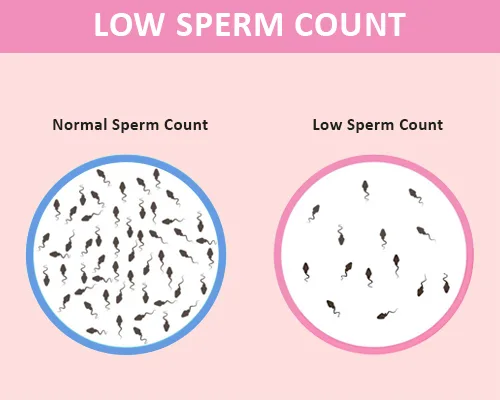
Pumpkin seeds have long been regarded as an aphrodisiac and are notably high in zinc, which supports male fertility. A 2018 study indicated that zinc can enhance both sperm quality and quantity. Additionally, a 2019 study suggested that pumpkin seed extract may benefit individuals with benign prostatic hyperplasia, a condition characterized by prostate enlargement that can lead to urinary difficulties.
Research indicates that the seeds may contain plant compounds that can help protect against cancer development. A 2012 observational study found a link between pumpkin seed consumption and a reduced risk of breast cancer in postmenopausal women. Additionally, older studies suggest that lignans in the seeds could be significant in preventing and treating breast cancer. Moreover, a test-tube study revealed that pumpkin seed extract might have the ability to inhibit the growth and spread of prostate cancer cells.
They are rich in antioxidants, magnesium, zinc, and unsaturated fats, all of which contribute to heart health. Research indicates that pumpkin seed oil may help lower blood pressure and cholesterol levels, two key risk factors for heart disease. A 12-week study involving 35 postmenopausal women found that taking pumpkin seed oil supplements led to a 7% reduction in diastolic blood pressure and a 16% increase in HDL (good) cholesterol levels. The positive effects of pumpkin on heart health may be linked to its ability to enhance nitric oxide production in the body. Nitric oxide aids in widening blood vessels, improving blood flow, and decreasing the risk of plaque buildup in the arteries.
The seeds are an excellent source of dietary fiber, offering 1.7 grams per 1-ounce (28-gram) serving of shelled seeds. A fiber-rich diet can support overall digestive health.
Pumpkin, pumpkin seeds, pumpkin seed powder, and pumpkin juice help lower blood sugar levels. In one study involving healthy adults, participants who consumed meals with 65 grams (approximately 2 ounces) of the seeds exhibited reduced blood sugar levels following a high-carbohydrate meal.
They are available as raw, roasted, or as an oil.
People can eat the seeds alone as a snack or add them to dishes for extra taste and a crunchy texture.
Individuals can try using them:

The seeds contain a compound called phytic acid, which can bind to mineral nutrients in your digestive system and hinder their absorption. However, you can decrease the phytic acid levels by soaking or sprouting the seeds before consuming or roasting them.
Recommended daily intake: A recommended serving size of 1 oz, which is a little less than a quarter cup.